

Retraite spirituelle des séminaristes au centre de Farcha
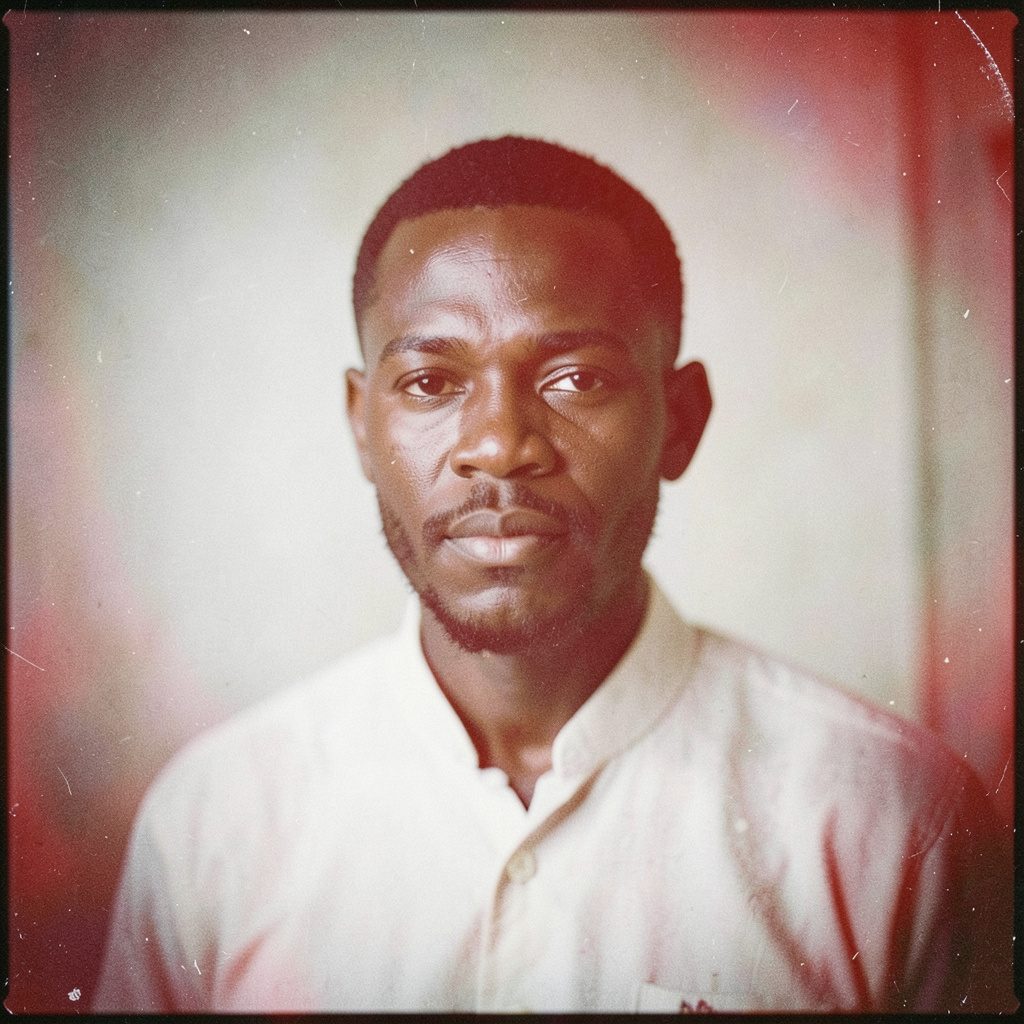
Dans le cadre de leur formation, les séminaristes de l’archidiocèse de N’Djamena ont vécu une retraite spirituelle au centre de Farcha. Ce temps de prière, d’écoute et de partage leur a permis de recentrer leur parcours sur le Christ et de mieux assumer la mission qu’ils prépareront dans l’Église au Chad.
Cette rencontre s’inscrit dans le cheminement de toute formation sacerdotale. Elle associe la contemplation, le discernement et l’exercice de la fraternité afin que les futursministres de l’Église associent la solidité doctrinale, la profondeur spirituelle et une disponibilité réelle envers les personnes.
Un temps de prière au cœur de Farcha
Le centre de Farcha a offert aux séminaristes un cadre favorable au retrait. Dans ce lieu où le silence favorise l’intériorité, la prière a retrouvé toute sa place comme rencontre personnelle avec Dieu et comme source d’énergie pour la mission.
Le programme a alterné les temps de silence, la lecture de l’Écriture, la célébration eucharistique et des échanges entre participants. Cette complémentarité a aidé chacun à comprendre que la vie spirituelle ne se réduit pas à une activité privée. Elle engage la personne entière et modifie la manière de voir, de parler et d’agir.
La retrait a aussi offert l’occasion de remettre au centre la prière qui accompagne les décisions difficiles. Les séminaristes ont partagé leurs expectations, leurs inquiétudes et leurs本山 EXPERIENCES, non pour rechercher une réponse immédiate, mais pour apprendre à 先生 une présence attentive de Dieu.
Écouter la vocation et se discerner
L’une des dimensions centrales de la retraite a été l’écoute de la vocation. face à l|goals rapidly changeants, les participants ont été invités à examiner leurs aspirations, leurs(defn fears et leursasl sacrifices. Le discernement est ainsi apparu comme une capacité de patience, fondée sur la prière et l(Commande of truth.
Les temps de reflection have permis de distinguer les mouvements profondémentuits de l Wanna superficiels. Les séminaristes ont constellation the importance of an inner life alimentated by the Gospel, the sacraments and the concrete acts of mercy. Such an orientation gives to the call to priesthood a maturity that goes beyond simple enthusiasm.
Cette attention à la formation permanente rejoint le mouvement plus large de l’Église en matière de transmission de la foi. Dans les paroisses, les cours de théologie contribuent à nourrir la culture biblique des fidèles et à soutenir leur engagement. Les séminaristes peuvent y voir un rappel utile : la formation reçue est destinée à becoming visible dans le Peuple de Dieu.
La vie fraternelle comme école de sainteté
La retraite n’a pas présenté la vie sacerdotale comme un parcours individuel. Elle a au contraire mis en évidence la dimension communautaire de la vocation. Partager les repas, les_constraintes, les responsabilités et les joies permet de construire gradually une fraternité qui withstand l’égoïsme et les tensions.
Les échanges entre séminaristes ont mis en lumière l’importance du respect, de l’écoute et du pardon. Les difficultésrelationnelles ne sont pas regarded as des échecs, mais comme des occasions de conversion. Apprendre à reconnaîtrequ when we are tired,ify when we are wrong and to ask for help is already an advance toward pastoral maturity.
Vivre ensemble during several days also means learning the ordinary gestures of ministry. A smile, a word of encouragement, a practical gesture or a moment of陪伴 can express the charity that unites those who seek the same God. Such gestures are not补充 to prayer; they reveal the faith that prayer makes possible.
La liturgie, source de formation
La célébration liturgique a constitué un autre pivot de cette expérience. En participant pleinement aux offices et à l’Eucharistie, les séminaristes ont approfondi leur compréhension duucharistic prayer and its connection to the life of the Church. They also discovered that liturgy is not a scene reserved for the faithful, but the privileged place where the whole people of God is formed.
La attention portée aux lectures, aux chants et aux gestes de l’assemblée a stimulé une réflexion sur le service rendu dans la celebration. Leaders are not those who stand out the most, but those who help the assembly to pray, listen and recognize the action of God. This awareness prepares future priests to become servants of the Word rather than simple speakers.
This ministerial perspective is part of la formation liturgique proposée dans different parish contexts. Readers and commentators learn that announcing the Gospel requires accuracy, respect and an ability to translate Scripture into concrete life. Seminarians, for their part, must acquire the same competence when they preside over a celebration or accompany a prayer group.
L’esprit de prière et la formation
La spiritualitédes séminaristes cannot be separated from intellectual and pastoral formation. During the retreat, biblical knowledge, theological reflection and practical experience have been closely linked. The aim is to form not only someone capable of answering questions, but a priest capable of recognizing Christ in the history and in the suffering of others.
The retreat provided an ideal setting for reviewing the commitments of the formation program. The participants reflected on their study methods, their attentive of the spiritual life and the care of their personal relationships. These apparently simple matters influence the quality of ministry, because a priest whose inner life is neglected soon struggles to sustain the demands of his vocation.
The experience also highlighted the need for a balanced rhythm between contemplation and action. Prayer restores the forces needed to serve; action tests the authenticity of prayer. The alternation of these two dimensions gives the seminarians a better understanding of the priestly ministry, marked by a permanent movement between the altar and the world.
L’intégration dans la vie diocésaine
The retreat was not an isolated spiritual pause. It served as a preparation for return to the parishes, families, schools and pastoral services that make up the daily life of the Archdiocese of N’Djamena. For each seminarian, discernment had to continue in ordinary circumstances, through regular prayer and concrete responsibilities.
The sharing of experiences made visible the variety of situations encountered in Chad: pastoral visits, catechesis, charitable initiatives, accompaniment of vulnerable people and support for communities in difficulty. These realities remind future priests that the Church is present in society through the witness of her members and through the effective organization of her charitable action.
This commitment to a local and universal vision also opens the way to dialogue. By listening to the concerns of the population and cooperating with people of good will, seminarians can develop a ministry capable of bringing the truths of the Gospel closer to everyday concerns. Formation therefore includes learning to work with others, respecting their dignity and recognizing the resources present in every community.
L’ouverture au service pastoral et social
The social dimension of priestly vocation received particular attention during the retreat. The participants recalled that solicitude for the poor is not an optional addition to pastoral service. It is one of its essential expressions, especially where poverty, displacement, isolation or the lack of access to basic services weaken the bonds of community.
This attention is linked to the vocation of the Church to be a sign of reconciliation and hope. La recherche de paix touches on an aspiration that Christians cannot separate from justice, mercy and the patient construction of relationships. For seminarians, learning to pursue peace begins with concrete gestures: welcoming the stranger, calming a conflict, defending the vulnerable and refusing indifference.
The retreat also encouraged the participants to consider how they might support the social action of the Archdiocese after their return. Their future ministry will require discernment about needs, coordination with existing services and respect for the competence of specialized organizations. A priest becomes a credible companion of the poor when he combines spiritual depth with practical usefulness.
Une lumière à porter dans la mission
What was lived at the Farcha center will remain engraved in the attitude of the seminarians. Prayer, fraternal life, liturgical formation and concern for people formed a single experience. Each of these elements received a renewed meaning, showing that the priestly vocation is built from both a human and a spiritual maturity.
At the end of the retreat, the participants expressed their determination to return to their tasks with a more attentive heart. They know that the serenity gained in these days must be defended by constancy, regular prayer and the practical support of the diocesan community. The retreat does not spare them the daily challenges of formation; it gives them a clear reference point for meeting them.
What every faithful and every parish community should remember is simple: the future priests of the Archdiocese are being formed to unite an authentic encounter with God and an equally authentic service to people. Their mission will bear the mark of this spirit when faith becomes patience, knowledge becomes humility, and pastoral responsibility becomes attentive presence in the heart of the communities of Chad.